Keep Scrolling for More Images!
From America's #1 Safety Banner Company
• The Most Trusted Name in Industrial Safety Banners
Humans in USA Support email: This email address is being protected from spambots. You need JavaScript enabled to view it..
Humans in USA Phone Support: (901) 321-8374
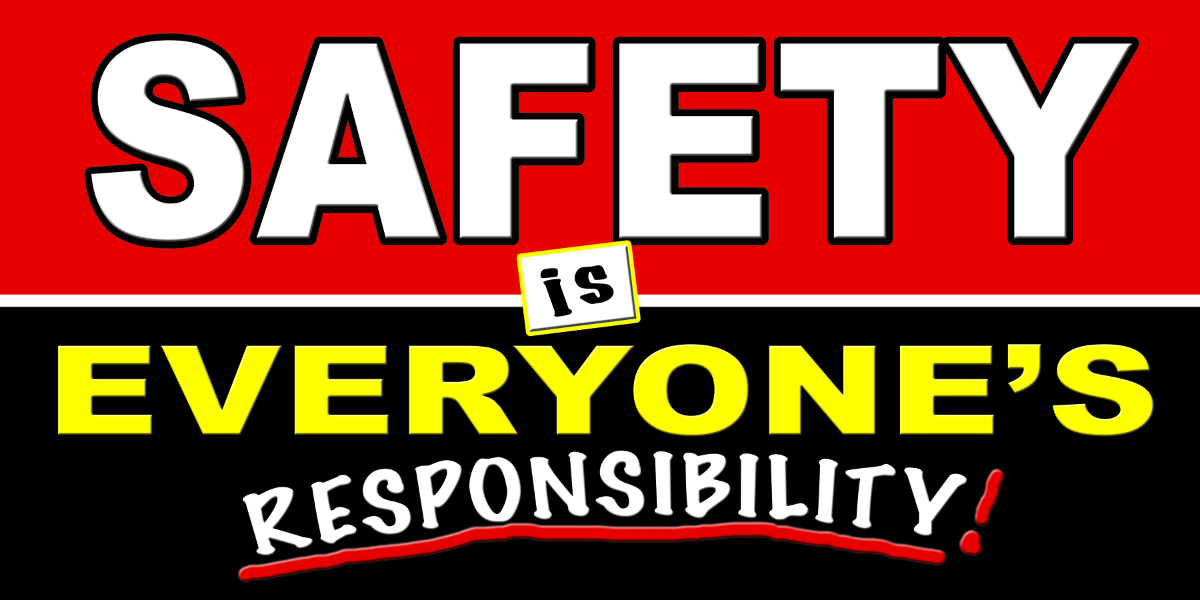 Designed by SafetyBanners.Org in 2008
This Safety Banner Is The Most Copied Industrial Safety Banner in the World.
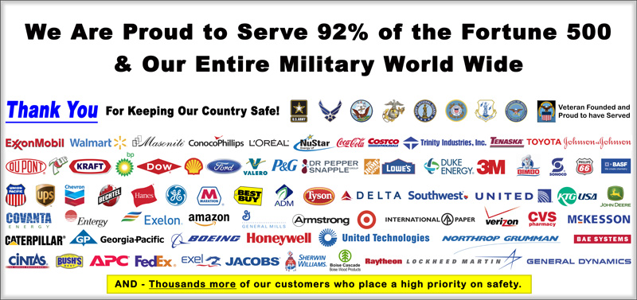 • ONLY SafetyBanners.Org has ALL of These Capabilities
• Largest Selection, Including Spanish Language
• The Most Options for price, size & materials PLUS horizontal & vertical format.
• The Highest Quality safety banners.
• The Greatest Customization capability.
• Fast Delivery
• Low Cost
• 100% Satisfaction Guaranteed, no questions asked.
• 100% American Made in Tennessee.
Only from SafetyBanners.Org & Safety Banners USA
-----------------------------------------------------------------------------------------------------------------------------------
The 34 Product Categories on your left are extremely helpful to safety banner buyers.
Our 34 safety banner categories are:
• Our Most Popular Safety Banners
• New banners
• General Safety Awareness
• Attitude and Teamwork
• Cell Phone Use
• Christmas and Fall
• Driving Safely
• Ergonomics
• Eye Protection
• Family Series
• Fire Safety
• Flu & Covid Prevention
• Forklift Safety
• Green Banners
• Hand Safety
• Hearing Protection
• Heat Stress and Heat Stroke
• Housekeeping
• Jet Lovers
• Lifting Safety
• Lock Out Tag Out
• Nature and Outdoors
• Oil refinery turnaround
• PPE Collection
• Quality Series
• Safety Series
• Spring safety
• Slips, Trips & Falls
• Spanish & Bilingual
• Thank You
• Troop support
• VPP collection
• Winter Series
•Translation to Spanish
• Custom safety banners
How Safety Banners Help Reduce Accidents in an American Industrial Facility
In industrial America, where heavy equipment, fast-paced operations, and complex workflows are the norm, industrial workplace safety is always a top priority. Companies invest heavily in training, PPE, and safety systems, but one simple, highly cost-effective tool, after decades of use in industrial facilities continues to deliver measurable results: safety banners.
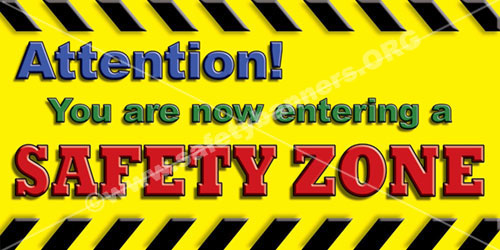 Whether displayed in a warehouse, manufacturing plant, distribution center, or construction-related facility, safety banners are far more than just banners hanging from the rafters. When used strategically, they shape behavior, reinforce safety culture, and significantly reduce accident rates.
This article explains how safety banners work, why they’re effective, and best practices for using them to improve facility safety outcomes.
Why Safety Banners Work: The Psychology Behind Visual Safety Reminders
Safety banners succeed because they leverage visual psychology. Humans process visuals 60,000 times faster than text alone, and properly designed large-format graphics catch the workers attention in industrial environments that demand quick awareness.
Key psychological benefits include:
✔ Instant Recognition
Bold colors and large lettering communicate safety messages faster than spoken instructions.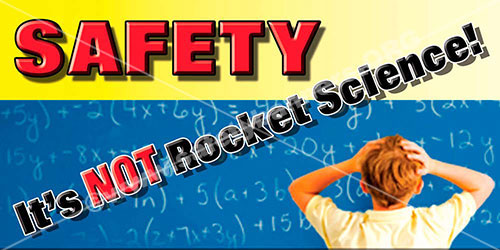
✔ Reinforcement of Training
Safety training fades over time, but safety banners provide constant visual reinforcement to keep critical safety rules top of mind.
✔ Behavioral Conditioning
When workers repeatedly see messages such as “Stay Alert – Forklift traffic area”, the behaviors become habitual.
✔ Positive Safety Culture
Displaying safety banners signals management’s commitment to safety, encouraging employees to take it seriously too.
Types of Safety Banners Ideal for Industrial Facilities
Not all banners are created equal. Choosing the right type of safety banner increases their safety impact.
1. OSHA Compliance Safety Banners
Designed for compliance and hazard communication:
2. Equipment & Machinery Safety Banners
Placed near forklifts, conveyors, presses, cutting machines and other equipment safety banners help reduce operator and pedestrian accidents.
3. Behavioral Safety Banners
These are aimed at the worker’s mindset:
4. Seasonal or Task-Specific Banners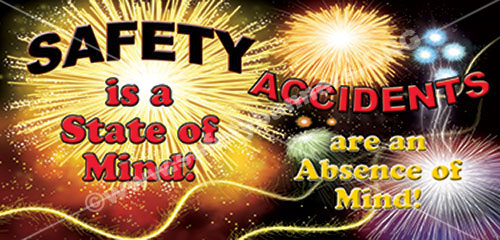
Ideal for shifting hazards:
Where to Place Safety Banners for Maximum Safety Impact
Correct placement can dramatically increase the effectiveness. Of a safety banner.
1. High-Traffic Areas
These locations ensure near-universal visibility.
2. Hazard Zones
Place banners near:
Workers must be reminded right where accidents are most likely to happen.
3. Eye-Level and Line-of-Sight Zones
Safety banners should be placed where attention naturally goes. Overhead is effective for large facilities; eye-level is ideal for walkways.
How Safety Banners Reduce Accidents: Real Outcomes
Facilities that use safety banners strategically often see benefits such as:
✔ Reduced OSHA Recordables
Constant reminders help prevent common injuries like slips, trips, cuts, and forklift collisions.
✔ Stronger Safety Compliance
Employees are more likely to wear PPE, follow lockout/tagout procedures, and adhere to speed limits when they are remined on a regular basis.
✔ Increased Employee Engagement
A work environment of sending consistent safety messages creates a team culture that values responsibility for the worker’s own safety and the safety of others.
✔ Lower Training Costs
Visual reinforcement reduces the frequency of retraining and safety briefings.
Best Practices for Using Safety Banners Effectively
To maximize accident reduction, follow these proven practices:
1. Refresh Them Regularly
Messages lose power if banners never change. Rotate designs every 4–8 weeks.
2. Keep the Safety Message Short
Short messages get read; long ones don't.
3. Use High-Contrast Colors
Red, yellow, and bright green catch attention best in industrial environments.
4. Pair Safety Banners With Data
Use banners to highlight:
This reinforces progress and accountability.
5. Get Worker Input
Employee-chosen messages generate buy-in and higher compliance.
Why American Facilities Are Increasing Safety Banner Use
Across the U.S., industrial safety managers are investing more these days in facility-wide signage because:
Safety banners offer a low-cost, high-impact tool that fits into any safety program, regardless of facility size.
Properly designed and implemented Safety Banners are A Simple Tool With Powerful Results.
Safety banners are one of the most affordable and effective ways to reduce accidents in any American industrial workplace. When placed strategically and updated regularly, they:
For any industrial facility looking to improve safety outcomes, safety banners aren’t just decorations—they’re essential tools that help keep workers safe and operations running smoothly.
About the Author:
The author, Robert Metz has owned a fast-paced high quality production facility, employing a large number of workers, for over 40 years. In that entire time, he has only one OSHA recordable accident, a cut hand that required 4 stitches. He understands how to keep employees safe in a dangerous workplace.
He is also highly educated in proper design techniques to get a person’s attention and take action as he had helped design and produce instore advertising displays for many of America’s largest retail chains.
His first rule in signage that causes a human to act (work safely or buy a product) is it HAS TO GET THEIR ATTENTION FIRST. If the safety banner does not get the worker’s attention, The banner is useless.
His second rule for signage is it HAS TO BE READABLE IN 2.5 SECONDS OR LESS. Workers are too busy to stand and read a lot of words on a safety banner.
This is why he has been able to create the most highly effective industrial Safety Banners on the planet.
Safety Banners for Warehouses
American warehouses are bustling environments filled with potential hazards, from heavy machinery to high stacking shelves and moving forklifts. In such settings, ensuring workplace safety is paramount. One effective method of reinforcing safety protocols and reducing accidents in warehouses is the strategic use of safety banners designed for warehouses. These warehouse safety banners serve as constant visual reminders of safety guidelines, potential risks, and emergency procedures, helping to create a safer and more compliant work environment.
Safety banners play a valuable role in communicating safety information to warehouse employees.
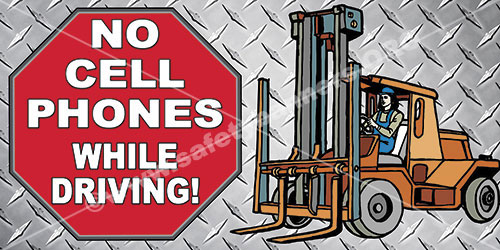 5 Main Functions include:
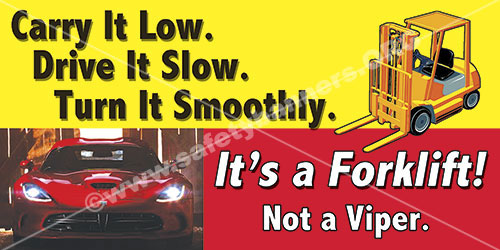 Warehouses require different types of safety banners based on their specific operations and potential risks. Some common types of Wearhouse safety banners include:
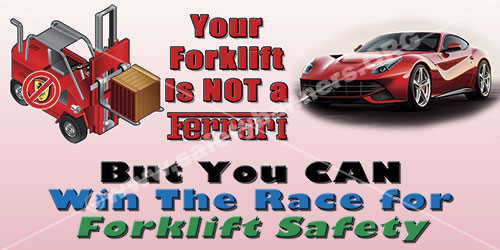 For Warehouse safety banners to be effective, they must be properly designed and strategically placed. Here are some key considerations for Warehouse Safety Banners:
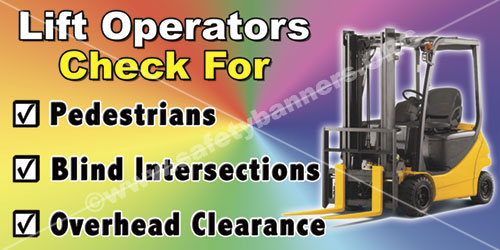 Compliance and Regulatory Standards
Warehouse Safety banners help warehouses comply with workplace safety regulations. Organizations such as OSHA (Occupational Safety and Health Administration) and ANSI (American National Standards Institute) set guidelines for workplace safety signs. Some key compliance factors include:
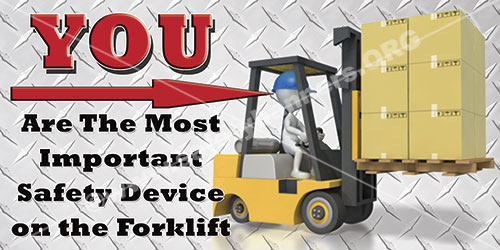 The advantages of incorporating Wearhouse safety banners into warehouse environments include:
Warehouse Safety banners are a simple and powerful device in promoting workplace safety in warehouses. By effectively communicating hazards, reinforcing training, and guiding emergency procedures, they contribute to a safer and more productive work environment. Warehouses should invest in high-quality, well-placed safety banners to ensure compliance with safety regulations and, most importantly, protect their workforce.
SafetyBanners.Org
Memphis, Tennessee
America’s largest designer and producer of Safety Banners for Warehouses in America.