Keep Scrolling for More Images!
From America's #1 Safety Banner Company
• The Most Trusted Name in Industrial Safety Banners
Humans in USA Support email: This email address is being protected from spambots. You need JavaScript enabled to view it..
Humans in USA Phone Support: (901) 321-8374
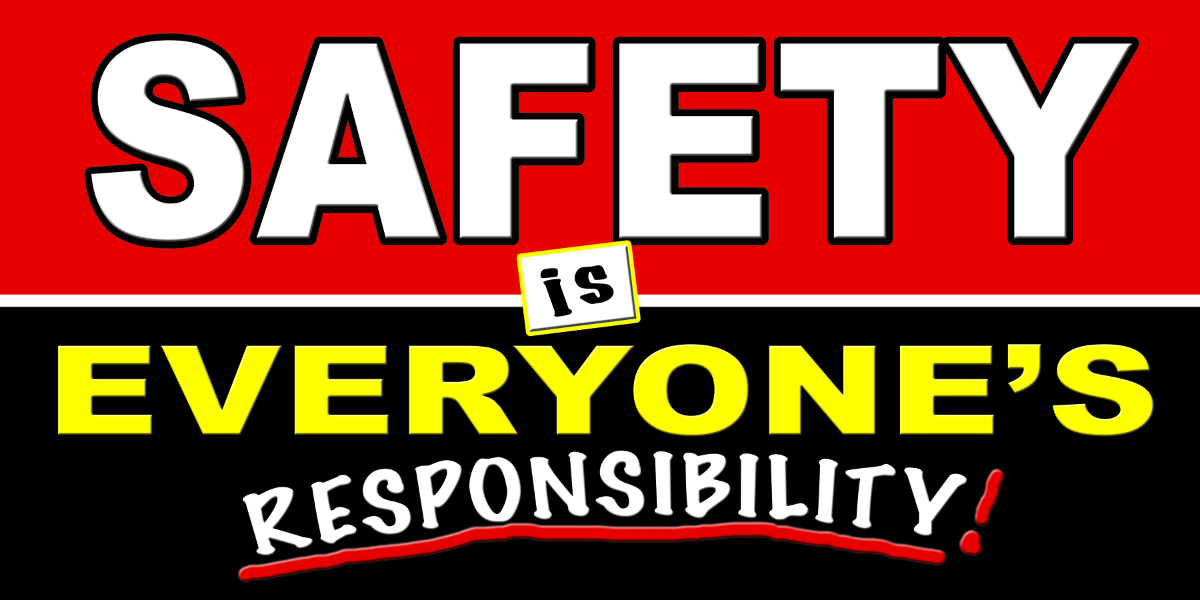 Designed by SafetyBanners.Org in 2008
This Safety Banner Is The Most Copied Industrial Safety Banner in the World.
 • IMPORTANT: we are a manufacture to order producer, so we are never Low or Out of any product.
• That also lowers our prices because we have no inventory or wearhousing cost
• ONLY SafetyBanners.Org has ALL of These Capabilities
• Largest Selection, Including Spanish Language
• The Most Options for price, size & materials PLUS horizontal & vertical format.
• The Highest Quality safety banners.
• The Greatest Customization capability.
• Fast Delivery
• Low Cost
• 100% Satisfaction Guaranteed, no questions asked.
• 100% American Made in Tennessee.
Only from SafetyBanners.Org & Safety Banners USA
-----------------------------------------------------------------------------------------------------------------------------------
The 34 Product Categories on your left are extremely helpful to safety banner buyers.
Our 34 safety banner categories are:
• Our Most Popular Safety Banners
• New banners
• General Safety Awareness
• Attitude and Teamwork
• Cell Phone Use
• Christmas and Fall
• Driving Safely
• Ergonomics
• Eye Protection
• Family Series
• Fire Safety
• Flu & Covid Prevention
• Forklift Safety
• Green Banners
• Hand Safety
• Hearing Protection
• Heat Stress and Heat Stroke
• Housekeeping
• Jet Lovers
• Lifting Safety
• Lock Out Tag Out
• Nature and Outdoors
• Oil refinery turnaround
• PPE Collection
• Quality Series
• Safety Series
• Spring safety
• Slips, Trips & Falls
• Spanish & Bilingual
• Thank You
• Troop support
• VPP collection
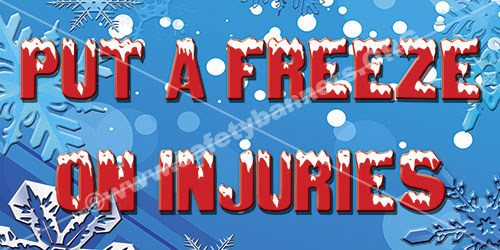
• Winter Series
•Translation to Spanish
• Custom safety banners
The Role of the Safety First Banner in American Industry 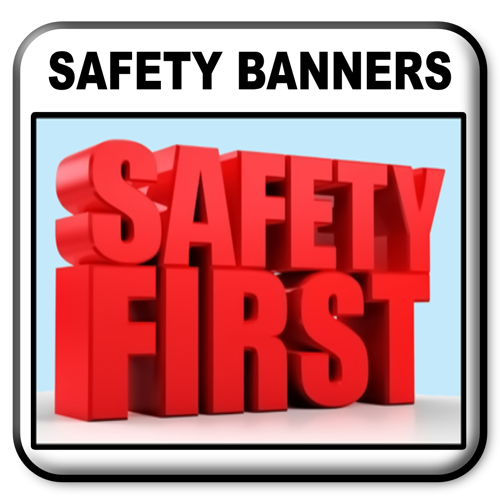
In the American industrial sector, safety is not just a compliance measure but an important pillar of workplace culture. The Safety First banner, is a prominent fixture in American factories, construction sites, and manufacturing plants, serving as a visual reminder of this priority. More than a simple sign, it represents a commitment to protecting workers, reducing accidents, and fostering a workplace environment where every employee understands the importance of following safety protocols and working safely.
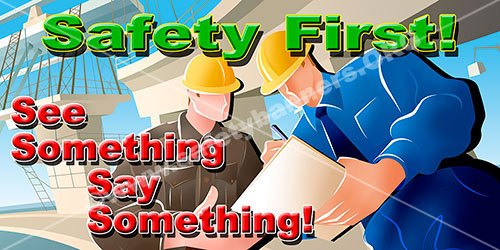 Before the establishment of stringent safety regulations, American industry was fraught with hazardous conditions. The Industrial Revolution, while a period of immense growth and innovation, saw countless injuries and fatalities due to inadequate workplace protections. Workers operated heavy machinery without proper safeguards, inhaled toxic fumes, and often faced dangerous structural conditions.
It was not until the 20th century that safety became an important part of industrial operations. The Occupational Safety and Health Act of 1970 (OSHA) was a turning point, mandating specific regulations to ensure worker protection. In this era, companies increasingly adopted safety awareness programs, and the Safety First banner became a widely recognized symbol of these efforts.
Visual cues play a significant role in shaping safety behavior. The Safety First banner, strategically placed in high-traffic areas such as entrances, break rooms, and workstations, continuously reinforces the importance of safe practices. It serves as a mental trigger, prompting employees to be mindful of hazards, wear protective equipment, and follow established safety procedures.
Furthermore, a well-designed and prominently displayed Safety First banner signals an organization’s dedication to keeping its workforce safe. It reassures employees that their well-being is valued, fostering a culture where safety becomes second nature. This psychological reinforcement contributes to reduced workplace accidents and a more engaged workforce.
A Safety First banner alone is not sufficient to ensure workplace safety—it must be part of a broader safety culture. 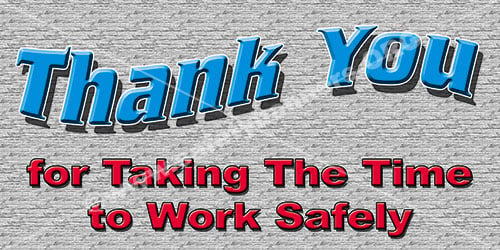 Companies that successfully integrate safety into their daily operations employ the following strategies:
A number of American companies have demonstrated how a strong commitment to safety can yield significant benefits. For instance, major automobile manufacturers such as Ford and General Motors have integrated Safety First programs and Safety First banners leading to fewer workplace injuries and improved operational efficiency. Similarly, construction giants like Bechtel emphasize safety through extensive training and visible safety messaging, and the use of Safety First banners significantly reducing on-site incidents.
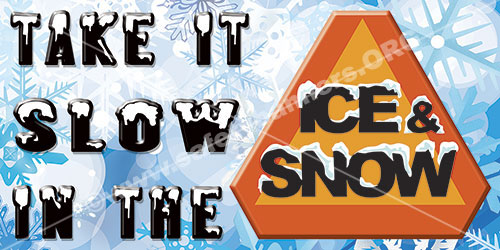 Another example is the oil and gas industry, where companies like ExxonMobil use safety banners alongside digital tracking systems to monitor compliance with safety protocols. These efforts not only protect workers but also enhance overall productivity and morale.
As American industries continue to evolve, so too will the methods used to promote safety. Digital safety displays, augmented reality training modules, and real-time hazard alerts are becoming increasingly common. However, the traditional Safety First banner remains an important element of workplace safety culture. Its simplicity and effectiveness ensure that the message of safety is always present, regardless of technological advancements.
The Safety First safety banner is more than a sign—it is a declaration of an organization’s commitment to the well-being and safety of its employees. In an ever-changing industrial landscape, safety must remain a high priority. Through effective communication, ongoing training, and a culture that prioritizes worker protection, companies can ensure that Safety First is not just a slogan or a banner, but a guiding principle that shapes every aspect of industrial operations.
By embracing this mindset, American industry can continue to reduce workplace accidents, protect workers, and maintain the highest standards of operational excellence.
SafetyBanners.Org
Memphis, Tennessee
Americas largest designer and producer of Safety First safety banners.
Safety Banner Design: The Ultimate Guide. 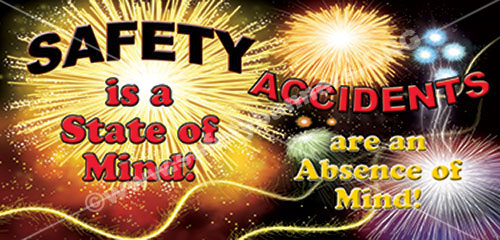
Safety banners play an important role in American industrial workplaces, construction sites, and even public spaces. They serve as visual reminders that promote safety awareness, prevent accidents, and ensure compliance with regulations. Designing an effective safety banner requires careful consideration of visibility, messaging, and durability.
Safety banners serve multiple purposes, including:
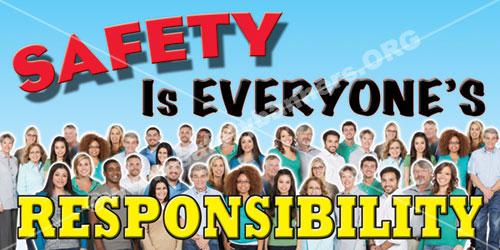 A well-designed safety banner can significantly reduce workplace injuries and improve overall awareness among employees and visitors.
5 Key Elements of Safety Banner Design
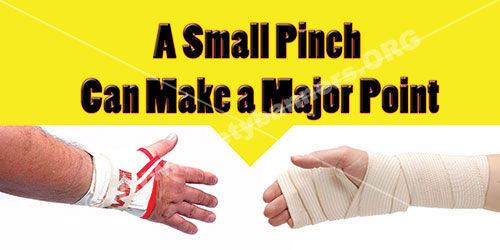
1. Clear and Concise Messaging
Safety banners should convey their message in as few words as possible while maintaining clarity. Use simple, direct phrases such as:
Avoid long sentences or technical jargon that could confuse the reader.
 2. Bold and Legible Typography
The font size and style should be easily readable from a distance. Use bold, sans-serif fonts such as Arial, Helvetica, or Impact. Ensure there is a high contrast between the text and the background to enhance readability.
3. High-Contrast Colors
Color choice is vital for visibility. Safety banners typically follow industry-standard color schemes:
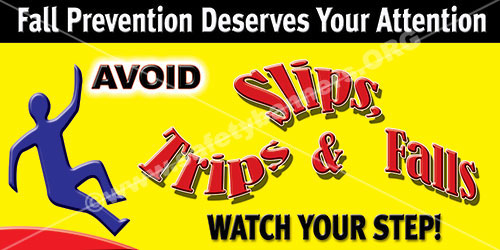
Using high-contrast color combinations, such as black text on a yellow background, enhances visibility.
4. Effective Use of Icons and Symbols
Incorporating universally recognized safety symbols increases comprehension, especially for non-English speakers. Icons such as hazard signs, protective equipment symbols, and emergency exit indicators reinforce the message at a glance.
5. Appropriate Safety Banner Size and Placement
Safety banners should be large enough to be seen from a distance but not so large that they become overwhelming. Common placement areas include:
Ensure the safety banner is positioned at eye level and free from obstructions.
 Materials and Durability Considerations
Safety banners should be made from highly durable materials to withstand various environmental conditions. Lower cost lower durability materials often result in decreased usage and longevity.
Material options include:
Choosing the right material ensures longevity and effectiveness.
Compliance with Safety Standards
Safety banners should adhere to industry regulations such as:
Ensuring compliance helps avoid legal issues and enhances workplace safety.
 Customization and Branding
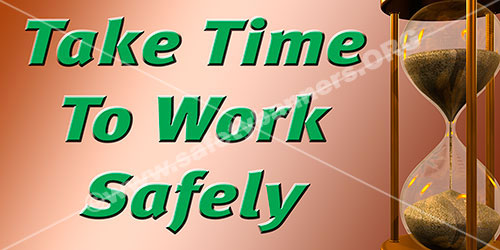
Organizations can personalize safety banners by incorporating their logo, company colors, or safety slogans. Customization reinforces company safety culture while maintaining professionalism.
Effective safety banner design is important in promoting workplace safety and preventing accidents. By prioritizing clear messaging, bold typography, high-contrast colors, appropriate symbols, and durable materials, organizations can create impactful banners that enhance safety awareness. Adhering to regulatory standards ensures compliance, while strategic placement maximizes effectiveness. Investing in well-designed safety banners is a simple yet powerful way to protect employees, visitors, and the community.
SafetyBanners.Org
Memphis, Tennessee
Americas Largest Professional Industrial Safety Banner Designer.