Safety Banners: Heat Stroke and Heat Stress Symptoms and Prevention
 CLICK HERE for all our safety banners.
Heat Stroke and Heat Stroke Symptoms are recognizable with some basic heat stroke awareness. Often times heat stroke banners and posters will convey the necessary information to keep workers aware and safe.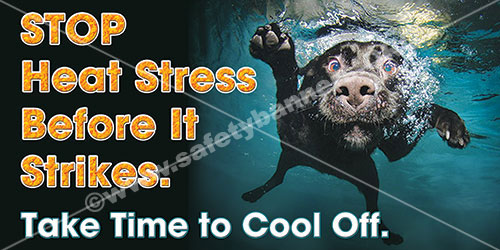
CLICK HERE for all our heat stroke and heat exhaustion banners
Symptoms of Heat Stroke
The hallmark symptom of heat stroke is a core body temperature above 104 degrees Fahrenheit. But fainting may be the first sign.
 Other symptoms may include:
- Throbbing headache
- Dizziness and light-headedness
- Lack of sweating despite the heat
- Red, hot, and dry skin
- Muscle weakness or cramps
- Nausea and vomiting
- Rapid heartbeat, which may be either strong or weak
- Rapid, shallow breathing
- Behavioral changes such as confusion, disorientation, or staggering
- Seizures
- Unconsciousness
 First Aid for Heat Stroke
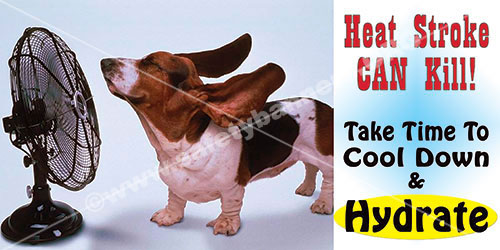
If you suspect that someone has a heat stroke, immediately call 911 or transport the person to a hospital. Any delay seeking medical help can be fatal.
While waiting for the paramedics to arrive, initiate first aid. Move the person to an air-conditioned environment — or at least a cool, shady area — and remove any unnecessary clothing.
If possible, take the person’s core body temperature and initiate first aid to cool it to 101 to 102 degrees Fahrenheit. (If no thermometers are available, don’t hesitate to initiate first aid.)
Try these cooling strategies:
- Fan air over the patient while wetting his or her skin with water from a sponge or garden hose.
- Apply ice packs to the patient’s armpits, groin, neck, and back. Because these areas are rich with blood vessels close to the skin, cooling them may reduce body temperature.
- Immerse the patient in a shower or tub of cool water.
- If the person is young and healthy and suffered heat stroke while exercising vigorously — what’s known as exertional heat stroke — you can use an ice bath to help cool the body.
 Preventing Heat Stroke
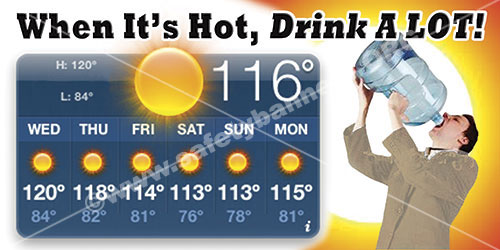
When the heat index is high, it’s best to stay in an air-conditioned environment. If you must go outdoors, you can prevent heat stroke by taking these steps:
- Wear lightweight, light-colored, loose-fitting clothing, and a wide-brimmed hat.
- Use a sunscreen with a sun protection factor (SPF) of 30 or more.
- Drink extra fluids. To prevent dehydration, it’s generally recommended to drink at least eight glasses of water, fruit juice, or vegetable juice per day. Because heat-related illness also can result from salt depletion, it may be advisable to substitute an electrolyte-rich sports drink for water during periods of extreme heat and humidity.
- Take additional precautions when exercising or working outdoors.The general recommendation is to drink 24 ounces of fluid two hours before exercise, and consider adding another 8 ounces of water or sports drink right before exercise. During exercise, you should consume another 8 ounces of water every 20 minutes, even if you don’t feel thirsty.
- Reschedule or cancel outdoor activity. If possible, shift your time outdoors to the coolest times of the day, either early morning or after sunset.
Heatstroke is predictable and preventable. Take these steps to prevent heatstroke during hot weather:
- Wear loose fitting, lightweight clothing. Wearing excess clothing or clothing that fits tightly won’t allow your body to cool properly.
- Protect against sunburn. Sunburn affects your body’s ability to cool itself, so protect yourself outdoors with a wide-brimmed hat and sunglasses and use a broad-spectrum sunscreen with an SPF of at least 15. Apply sunscreen generously, and reapply every two hours — or more often if you’re swimming or sweating.
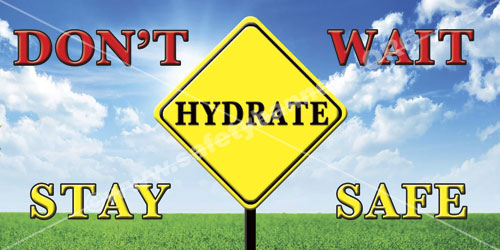
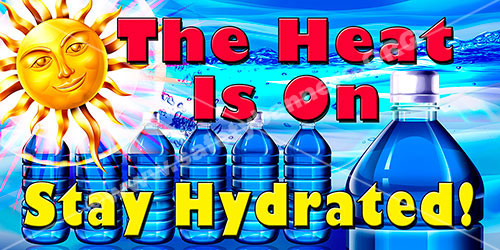
- Drink plenty of fluids. Staying hydrated will help your body sweat and maintain a normal body temperature.
- Take extra precautions with certain medications. Be on the lookout for heat-related problems if you take medications that can affect your body’s ability to stay hydrated and dissipate heat.
-
Never leave anyone in a parked car. This is a common cause of heat-related deaths in children. When parked in the sun, the temperature in your car can rise 20 degrees F (more than 6.7 C) in 10 minutes.
It’s not safe to leave a person in a parked car in warm or hot weather, even if the windows are cracked or the car is in shade. When your car is parked, keep it locked to prevent a child from getting inside.
- Take it easy during the hottest parts of the day. If you can’t avoid strenuous activity in hot weather, drink fluids and rest frequently in a cool spot. Try to schedule exercise or physical labor for cooler parts of the day, such as early morning or evening.
- Get acclimated. Limit time spent working or exercising in heat until you’re conditioned to it. People who are not used to hot weather are especially susceptible to heat-related illness. It can take several weeks for your body to adjust to hot weather.
- Be cautious if you’re at increased risk. If you take medications or have a condition that increases your risk of heat-related problems, avoid the heat and act quickly if you notice symptoms of overheating. If you participate in a strenuous sporting event or activity in hot weather, make sure there are medical services available in case of a heat emergency.
SafetyBanners.Org
1657 Shelby Oaks Drive N.
Memphis, TN 38134
Serving American industry since 1995